In the world of radical self-disclosure, no secret is off-limits
‘Ive actually been wanting to talk about this for a long time,” says a man called Anthony, looking straight into the camera. Over the next eight minutes, Anthony tells “The Equinox Story”, a sincere, real-life drama involving his luxury gym in Connecticut, a married man and a steam room. “This is going to have to be two parts, guys,” he says when he gets to the end (TikTok, 3.1 million views).
There are thousands more viral videos like this — hours and hours of people talking about terrible trauma or inconsequential gossip to an audience consuming every word. There are women jilted at the altar. Infidelity, divorce and estrangement. The videos have titles such as: “I found out my husband was cheating on me on my wedding day”, “Sharing my story about my toxic motherin–law” and “Mom murdered my dad part 1”. Likes, views, follows, comments, more, more, more!
The online world is populated with “content” designed to feel like behindthe-scenes revelations about people’s otherwise anonymous lives. Social media has bred an appetite for extreme self-disclosure and its algorithms have pushed us into the age of the great confession.
“We’re living through an era of radical self-disclosure,” says June Deery, professor of media studies at Rensselaer Polytechnic Institute in New York and the author of Reality TV. But where all of this used to be the reserve of public figures, it has now been adopted wholesale by the rest of us. “Ordinary people are narrating their private lives to vast, unseen audiences,” says Deery. “It is a strange blend of catharsis and performance: part therapy session, part self-branding exercise.”
“People use social media to present the best version of themselves and for a while everyone thought that meant the cleanest and most manicured version,” says Hannah Beer, author of I Make My Own Fun, a novel about an obsessive celebrity relationship, for which she spent months researching fan and follower-culture online.
“Now the pendulum is swinging the other way.
People want to be messy and raw, spewing their guts up.
‘Authenticity’ gets attention.
And the first people to understand this were celebrities.”
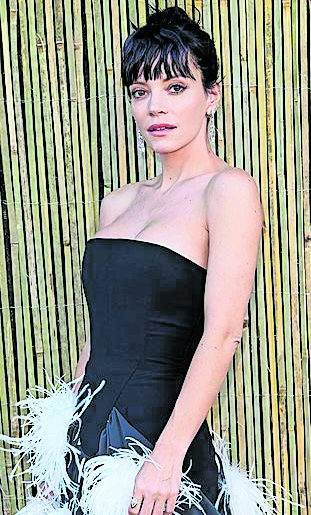
At the end of October, Lily Allen released the album West End Girl, a 14-track autopsy of a marriage, largely understood to have been about her own to David Harbour, star of Stranger Things. She sang about finding butt plugs and condoms, about confronting the other woman, Madeline, and still wanting him to love her. “Now you’ve made me your Madonna,” she sings, “I wanna be your whore.”
In September, the author of Eat, Pray, Love, Elizabeth Gilbert, published her third memoir, All the Way to the River, and it was far from her 2006 romantic journey of self discovery through Italy, India and Bali. Instead it was an account of Gilbert’s final years with her partner, Rayya Elias, who died of cancer in 2018. In it, the two binged on “alcohol, weed, Xanax, psilocybin, sedatives, sleeping pills and ecstasy”.
Gilbert gave promotional interviews from the converted church in New Jersey she bought for Elias at the start of their romance.
She dissolved her lip filler and shaved her head. She found her real, rawest, most authentic self — again.
While celebrity “tell alls” are nothing new, this kind of radical self exposure has become a currency in itself and a person doesn’t need to be famous to trade in its value. “So y’all want to know the scariest thing and it’s happening to me now,” says Cortney, a stay-at-home mother whose husband wants a divorce and is cutting off access to their bank accounts. Filmed in her car while she’s driving and posted to TikTok, it has more than nine million views.
The desire to know intimate details about other people’s lives is a survival mechanism, says Frank McAndrew, a professor emeritus at Knox College, Illinois. “In our prehistoric world, we lived in groups of about 150 people and to be successful you had to know everything about everybody,” he says. “We’re interested in information that’s useful to us and scandal is one of the main things we can take advantage of.”
The consequences, however, have changed. “We used to tell someone something and it would slowly move through the chain of people,” says McAndrew. “Now you hit a button and we’re not yet good at dealing with how quickly it moves. And that can backfire.”

No comments:
Post a Comment