Tuesday, August 26, 2025
DT25009 AI promoting Christianity V01 270825

DT25008 Mediterranean Diet V01 260825
Sitting in the airport terminal on my way back from our Italian beach holiday, I’m eating traditional Sardinian cheeses, a selection of nuts, fresh fruit and some dried apricots. All ingredients of the much-lauded Mediterranean diet, which is the moststudied diet in the world. Research shows that following it is linked to a reduced risk of every chronic health condition and associated with better health outcomes for patients who are already sick, and improves fertility and pregnancy outcomes.
The diet involves eating an abundance of plants: vegetables, pulses, nuts and seeds, herbs and spices, beans, whole grains and fruits, with extra virgin olive oil on tap; with portions of oily fish, eggs, dairy (fermented as cheese or yoghurt) and, less frequently, meat. You may have just been to Italy, Spain, France or Greece and found it easy to eat in this way, feasting on succulent, inexpensive sun-ripened tomatoes and vegetables, feta cheese and fresh fish. But it can feel harder to keep this up in the UK.
My solution is to see the Mediterranean diet as an approach to eating, simply by adding in its key elements to every meal you consume.
Your focus should be on the five food groups most of us don’t get enough of, which form the Med diet’s core: whole grains (barley, rye, spelt, buckwheat, quinoa, oats); legumes (peas, beans, lentils, chickpeas); nuts and seeds; omega-3 rich foods (oily fish such as anchovies, mackerel and sardines); fresh whole fruit and berries. Also include foods that are high in flavanols such as dark chocolate, coffee, herbal tea and matcha.
Taste and provenance is important too. As Franco Fubini, the chief executive of the food supplier Natoora and author of In Search of the Perfect Peach, puts it, “It’s not necessarily just about eating more olive oil or tomatoes, but about choosing the right ones. Understanding how to identify quality in fresh ingredients is a huge part of it.” His advice is to buy seasonal fruit and veg from farmers’ markets or farm-based veg boxes.
When it comes to other ingredients, there are plenty of supermarket items that can quickly transform your eating habits into a Mediterranean diet.
Merchant Gourmet wholegrain spelt
£2.15, 250g, Sainsbury’s
These handy parboiled packets make it easy to add crucial whole grains to your diet — simply microwave in a bowl for two minutes, then add fresh herbs, some of your favourite cheese, fresh tomatoes and some chickpeas. A second bonus is that if you partially cook grains like these or other starchy foods, then cool and reheat them, it increases the resistant starch content, which gives your gut microbes more to feast on and reduces the glycaemic index of the grains.
Frozen soffritto mix
£1.50, 500g, Waitrose (Asda, Sainsbury’s, Morrisons and M&S also have a version)
This mix of diced carrots, celery and onions is the base of many Med diet dishes and will help increase the diversity of plants you consume.
There is no chopping involved: fry lightly in olive oil before adding tomatoes, veg, pulses, fish. Cooking this way creates healthy bioactive compounds that are not present in the vegetables alone, giving the soffritto a unique nutritional profile. It also increases your fibre intake.
Mutti passata
£2, 400g, Tesco
This particular passata is made with Italian tomatoes that have been sunripened and are higher in bioactive compounds, which makes them taste great and provides your gut microbes and immune system with additional goodness. Cooking tomatoes helps to make lycopene (an antioxidant) easier to absorb, which is particularly protective for heart health and has potential benefits in preventing cancer.
Raw tomatoes have less available lycopene, but they’re higher in vitamin C and other compounds, so add some fresh tomatoes to your dish at the end too. Some passata brands contain additives — this version is just tomatoes and a pinch of salt.
Duchy Original four bean salad in water
85p, 252g, Waitrose
Pulses are fantastic for you thanks to a combination of plenty of fibre, high-quality plant protein and powerful bioactives that help to lower inflammation. However, many people aren’t sure how to cook them. This mix of four different types of beans in water — organic chickpeas, flageolet, red kidney and borlotti beans — makes it super simple to add to salad, curries and sauces. Simply drain and dress with herbs, extra virgin olive oil, and some salt and pepper with a squeeze of lemon.
John West sardines in olive oil
£1.20, 90g, Morrisons
Tinned or jarred sardines, sprats, anchovies or mackerel are an excellent way to add oily fish and omega-3s to your diet. I often opt for them over tuna. I buy MSC-certified (sustainably fished) ones where I can, in extra virgin olive oil or olive oil.
They are a brilliant cupboard staple for making sandwiches, adding to pasta or incorporating into a salad.
Bold Bean Co’s queen carlin peas
£3.25, 570g, Ocado
A tasty alternative to chickpeas, these nutty-tasting carlin peas are grown in collaboration with Hodmedod’s, which produces grains and legumes grown in healthy British soil, boosting their nutritional value. These are another way of quickly adding both variety and legumes into your diet.
Yeo Valley organic kefir natural yogurt
£1.86, 350g, Asda
Fermented dairy is one of the healthiest protein sources. It also offers helpful microbes and their metabolites, which are particularly beneficial for gut health and reducing the risk of colorectal cancer. Making your own or buying from a traditional small-batch manufacturer like Ki Kefir is brilliant, but supermarket options such as Yeo Valley are great too.
Parmareggio 30-month parmigiano reggiano
£7, 150g, Ocado
Another great fermented dairy product is parmesan cheese. A main character in Mediterranean diet recipes, parmesan — make sure you buy a brand like this, which is a non-processed version — is a great combination of flavour and nutrients such as calcium and protein, and one of the best food sources of creatine. Eat in chunks as a snack with some apple slices as well as grating it on pasta dishes.
Gaea pitted kalamata olives
£3.50, 290g, Waitrose
Olives are a great source of fibre, healthy fats and polyphenols. As long as you select a product without additives, you can’t go wrong. I like this brand of kalamata olives, which are particularly plump and delicious.
British rosemary
£1.70 a pot, Ocado
Rosemary is an essential herb to recreate those Mediterranean aromas. You can’t really go wrong when choosing rosemary. However, try to find one that’s grown in the UK if you want to minimise your food miles. Herbs and spices are a rich source of polyphenols — healthy plant compounds that feed your gut microbiome and act as antioxidants.
Rosemary specifically also contains unique bioactives such as rosmarinic acid, which is another powerful antioxidant.
Pack’d organic summer berries
£4.80, 300g, Ocado
Dark berries, such as blueberries, blackberries and raspberries, are filled with beneficial flavonoids and polyphenols, which are plant-based compounds with antioxidant and antiinflammatory properties. I buy Pack’d organic berries — they are delicious and come in paper packaging. British Frozen Fruits also offers a good selection and most supermarkets have their own ones too.
Clipper organic redbush infusion tea bags £5.10, 80 bags, Ocado
All teas from the Camellia sinensis plant (green, black and oolong) are great sources of flavonoids and polyphenols. If you want to avoid caffeine, hibiscus tea and rooibos/ redbush are also packed with them. Choose brands such as Pukka, Clipper and Dragonfly that don’t use plastic in their bags.
Olive oil
£4.85, 500ml, Tesco
Compared with other cooking oils, olive oil has higher levels of polyphenols, vitamin E and healthy fats. When cooking with olive oil, the heat reduces the levels of many of the bioactive compounds, so save your top-quality olive oil for dressing.
Il Casolare unfiltered extra virgin olive oil
£10, 500ml, Morrisons
Extra virgin olive oil is the first oil that comes from an olive during pressing, so it contains the highest levels of healthy compounds. As olives are squeezed of their last drops of oil, the quality slowly declines — it’s still healthy but just has fewer beneficial compounds. This brand is pure extra virgin olive oil, whereas some others may blend it with standard olive oils.
Extra virgin olive oil can be quite pricey, so save it for adding to fresh dishes or after cooking to keep as many of the active compounds in there as possible.
Mixed nuts and raisins
£4.99, 200g, Holland & Barrett
Nuts and seeds contain protein, healthy fats, fibre, vitamins and minerals. To increase your intake, I find the most cost-effective thing to do is buy packs of mixed nuts and raisins and store them in a Kilner jar. Add a handful of cranberries or dried apricots and sprinkle on salads, porridge and yoghurt.
Willie’s Cacao Venezuelan dark chocolate drops 72 per cent
£7.25, 150g, Ocado
Good-quality dark chocolate with 72 per cent cacao, making it rich in polyphenols, which helps to fight inflammation and has a protective effect on heart and brain health, even helping to keep blood pressure at healthy levels.
Fermented dairy is one of the healthiest protein sources
DT25007 Frank Caprio V01 260825
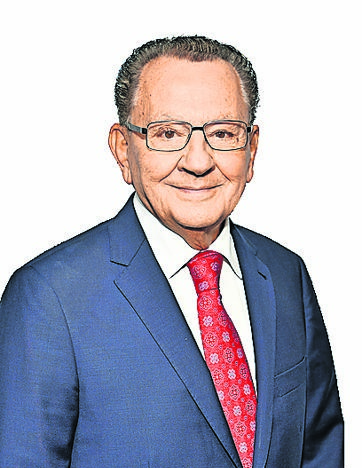
For nearly 40 years, Frank Caprio presided over a municipal court in Providence, Rhode Island, mostly hearing cases involving speeding and parking tickets and other minor offences. Nobody would claim he administered justice impartially. On the contrary, the personal circumstances of defendants were usually uppermost in his mind.
A woman who faced $500 in parking fines broke down in tears as she explained how her son had been killed the previous year and she had recently been ejected from her apartment. “I’m just having a really tough time, your honour,” she wept. Caprio reduced the fines to $50. Told that the fine would leave her with only $5, he dismissed the case outright. A Vietnam veteran admitted a parking offence, but explained that he had been attending a veterans’ hospital with inadequate parking facilities. “You go for medical treatment provided by the government and they give you a $100 parking ticket?” Caprio exclaimed. “Thank you for your service and the matter is dismissed.”
A high-school student was let off a fine for driving through an amber traffic light provided he promised to go on to college. A 96-year-old man was fined for speeding outside a school while taking his disabled son to a doctor’s appointment: case dismissed. A woman was excused a speeding fine after Caprio learnt that she was pregnant. He called his ruling a “baby gift”.
Word of Caprio’s kindness and compassion began to spread after his younger brother, Joey, began filming his court appearances.
In 2000 they were picked up by the local ABC affiliate station, which broadcast them on Saturday nights under the title “Caught in Providence”. From 2018 they were syndicated nationally, and shown in nearly 200 cities across the US. Caprio swiftly became an internet sensation, with hundreds of millions of people around the world watching clips of his unique brand of justice on social media.
Caprio ran his court with humour, compassion — and a dash of showbusiness: he would sometimes call on defendants’ children to join him on the bench and pass judgment on their parents. His rulings infuriated Providence’s law enforcement agencies, but delighted his supporters. They dubbed him “the nicest judge in the world”.
Frank Caprio was born in Providence in 1936, the second of three sons of Italian immigrants. He was raised in a humble home without hot water in the city’s Federal Hill district, its “little Italy”. He attributed his compassion to his father, Antonio, a milkman who had arrived in America when he was 12 and would himself pay the bills of customers who fell behind with their payments. “His mantra was ‘help people when you can’,” Caprio recalled.
He was educated at Providence’s Central High School, represented its wrestling team, and worked as a shoeshiner and dishwasher in his spare time. After graduating from Providence College and becoming the first of his family to earn a degree, he took a job as a history teacher at another Providence high school while studying law at a night school in Boston. He also served as a combat engineer in the US Army Reserve for six years from the age of 17.
He married in 1965. He and his wife, Joyce, went on to have four sons and a daughter. While he was still teaching, he set up his own law firm in Providence, which two of his sons would later join. It stayed open until 11pm.
Caprio also served for six years on Providence city council in the 1960s, and ran unsuccessfully for Rhode Island attorney-general in 1970, but it was after the Providence council appointed him a part-time municipal court judge in 1985 that his career really began to take off. His brother, Joey, an amateur film-maker, was responsible for filling two hours a day on a new, non-commercial public access television channel in Rhode Island, and was short of material. Joyce Caprio suggested he film her husband’s court cases. “At first I said no because I didn’t think anybody was going to be interested in watching and I was going to be the laughing stock of Rhode Island,” Caprio said. But he relented, gave defendants the choice of having their hearings televised (most agreed), and his unique brand of empathetic justice went on to catch the popular imagination.
Caprio finally retired in 2023 and had a courtroom named after him. His court had been a place “where people and cases are met with kindness and compassion”, he said.
“I think if there are certain circumstances in an individual’s life or it’s a close call, I give them the benefit of the doubt. I don’t subscribe to the theory that because you were charged then you must be guilty.”
Frank Caprio, judge, was born on November 24, 1936. He died on August 20, 2025, aged 88.
Sunday, August 24, 2025
DT25006 Femented Foods V01 240825
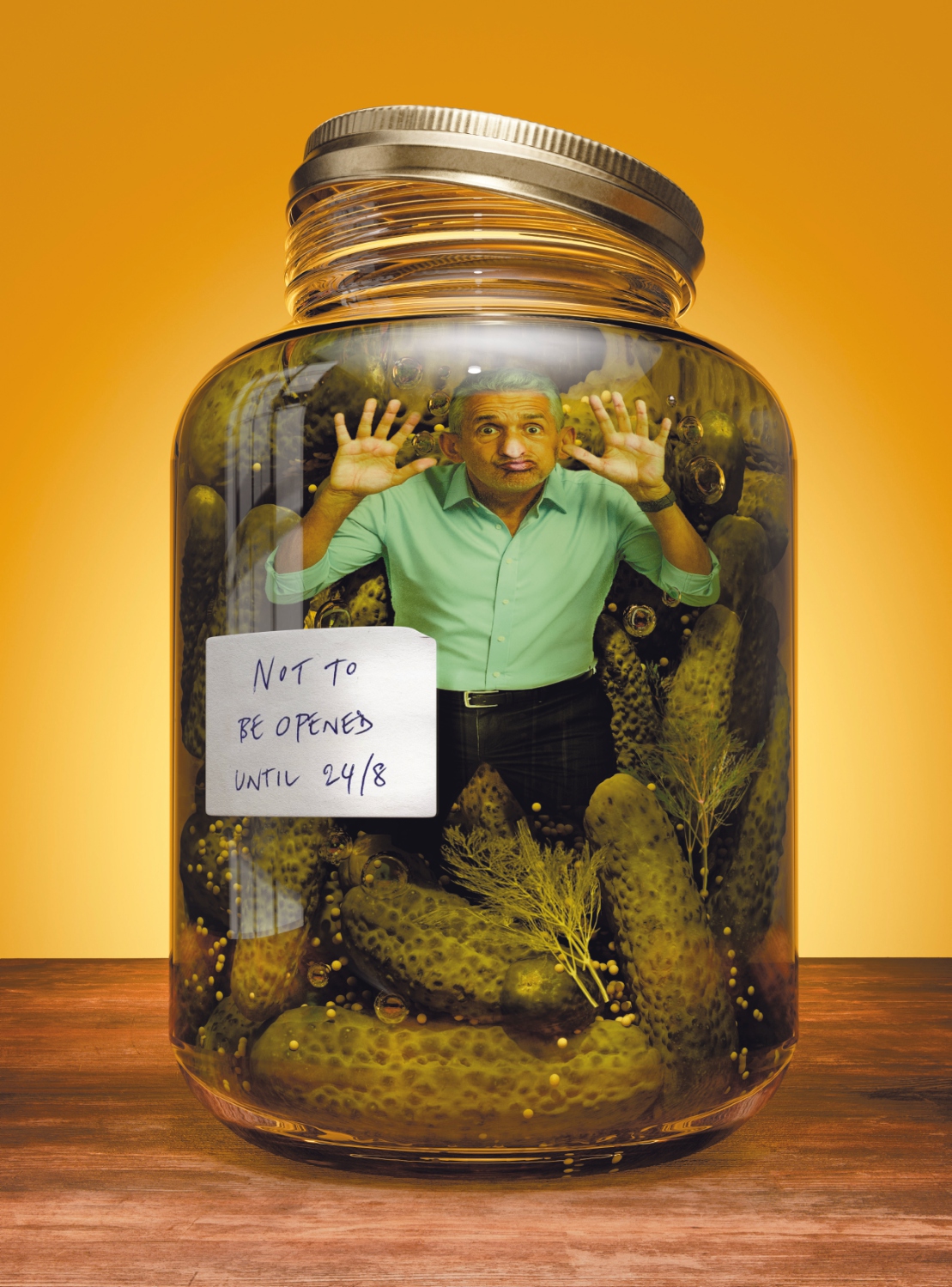
In 2024 my research team performed one of the largest trials of a new supplement, with nearly 10,000 UK volunteers. For three weeks they were asked to take three doses of the supplement every day and monitor changes to their health. The results were amazing. Nearly half of participants (47 per cent) saw improvements in mood, 55 per cent reported more energy, 52 per cent less hunger, and 42 per cent a decrease in bloating. But it wasn’t a new commercial supplement we were testing, but ordinary, shop-bought fermented foods, such as sauerkraut, kefir, yoghurt and kimchi. If these results had been for a new vitamin supplement it would be a blockbuster. That all these benefits could come simply from adding such humble ingredients to your diet is even more astonishing.
When I started to experiment with fermented foods in my own diet, I soon became converted to the cause. I began making kombucha (fermented tea) with my trusty symbiotic culture of bacteria and yeast, my “scoby”, affectionately known in my house as Blob. Before long I found myself adding fermented vegetables to almost every meal and enjoying my sour morning kefir (fermented milk) with nuts and berries more than any other breakfast. I made my own version of kimchi — “Timchi” — from fridge leftovers and found I loved the taste, as well as its benefits for avoiding food waste.
I was glad to discover that red wine and maybe artisanal ciders (in moderation) have a beneficial effect on our heart and our microbes. I now find that I have to be doing some regular fermenting to feel happy as well as healthy.
The science of fermented foods is evolving fast. Here’s what you need to know — and why you should try to eat three servings a day.
What is fermentation?
Of all the ways to prepare food, fermenting is surely the most mysterious, miraculous and misunderstood, yet humans have been finding ways to ferment plants, dairy and meat for thousands of years as a means of preservation and enhancing flavour. Fermentation simply means the chemical transformation of any food or drink with the help of yeast, bacteria or other microbes, often producing bubbles or heat. Raw, whole foods already contain hundreds of compounds; however, once bacteria or fungi have worked their magic, these compounds multiply and foods become vastly more complex. As these fermenting microbes feed on the food or drink, they produce hundreds of new and unique compounds. Wine is infinitely more complex in flavours and chemicals than grape juice, as is cheese compared with milk. We now know this ancient process of alchemy not only transforms the flavour of the food, making it more complex, varied and delicious, but it also brings a multitude of additional health benefits.
Why are ferments good for us?
One of the reasons fermented foods are better for us than just eating the raw form is that they are, in essence, double fermented. The first ferment is in the jar, which you can witness unfold with its new smells, bubbles and changes in colour, texture and flavour; the second you have to imagine — in the darkness of your bowels. That first ferment means that your resident gut microbes can skip all the boring prep work and get on with cooking their ideal meal, giving them all the nutrients they need.
This ancient process of alchemy not only transforms the flavour of food but brings a multitude of health benefits
A simple example is the way lactose (the sugar present in milk) is predigested by external microbes when you make yoghurt, cheese or kefir, so our own gut microbes have much smaller bites of lactose to deal with and are therefore far more effective in splitting it into tiny sugars that are easily absorbed. This is why many people with milk intolerance or lacking the lactase gene mutation (80 per cent of the planet’s population) can cope with eating fermented dairy but not drinking fresh milk.
Types of ferments
Fermented foods can be divided into three broad types: probiotics (microbes), prebiotics (food for microbes) and postbiotics (dead microbes). They all confer specific health benefits.
Probiotics
These are defined as live micro-organisms, most commonly bacteria, that can benefit your health when you consume them in large enough quantities. They appear both in fermented foods and as capsules containing the microbes, as individual strains or as mixes. In general, fermented foods provide a greater range of microbes than found in most probiotic mixes, though science in both areas is changing fast.
Prebiotics
This is a general term for compounds that feed your gut healthy bacteria and are shown to have health benefits. For instance, there are types of dietary fibre abundant in plant-based foods that will nourish your gut bugs. Examples might be the cabbage in sauerkraut or the soy beans in miso.
Synbiotics
This just means a mix of prebiotics and probiotics where the addition of the prebiotic is shown to benefit the probiotic. So if you dipped some high-fibre fruit, such as berries, into natural yoghurt, you could consider that a homemade synbiotic. Manufactured synbiotics often contain some form of manufactured fibre such as inulin with a probiotic in a capsule or powder, making them more expensive. Sauerkraut and kimchi are great examples of natural fibre synbiotics.
We have underestimated the complexity of microbes, which appear to have a successful afterlife
Postbiotics
This is a new but important concept. They can be any mixture of whole or fragments of dead micro-organisms, or the compounds or even the liquid they produced when alive. As examples, postbiotics could include parts of bacterial cell walls or metabolites that bacteria produce as they break down the fibre in your cabbage.
The “zombie” microbe revolution
I always thought that these “dead” postbiotics were useless, and that commercial pasteurised or heated microbial products were essentially a con, along with probiotic supplements. It turns out I was wrong. New science has once again shown we were underestimating the complexity of microbes, which appear to have a successful afterlife.
We now believe postbiotics can provide health benefits through the chemicals they produce or from proteins on their cell lining. So far these zombie microbes only appear to be helpful, not harmful. Even mistreated microbes that have been neglected, overheated, pasteurised, frozen, starved or overfed on sugar can still provide some benefit. This means that some beers with dregs of dead yeast in them could have some health benefits, which might partly help to compensate for the negative impacts of alcohol.
That dead microbes are beneficial to our health isn’t so strange when you think about how many vaccines work. Vaccines can be both alive and dead, or at least inactivated. You can now purchase a few commercial postbiotics in supplement form that have been clearly shown to work and they will become more common in the future.
How fermentation helps: the new science
Digestion and gut health The act of fermentation usually increases the digestibility of the food, breaking it into smaller pieces, which our bodies can deal with more easily without triggering an immune response, and extract more nutrients, producing a greater variety of healthy chemicals. Some studies report initial bloating when starting to eat fermented foods for the first time, but most show a reduction in gut symptoms over time.
A thin layer of cells and a thicker wall of sticky mucus separates the billions of microbes in the gut from the blood vessels that supply our gut and enter our circulation. Fermented foods and fibre play an important role in maintaining this barrier. When we lose the mucus layer, the tight structure breaks down and the system leaks, causing inflammation. This may be a reason fermented foods are helpful to many people suffering with colitis or IBS, with many people writing to tell me they were able to reduce or stop their medication.
Balancing the gut microbiome
Microbial diversity has been shown in countless studies to be a crucial indicator of health, with low diversity associated with every common western health problem, from depression to diabetes, allergies to autoimmune disease, and poor response to anticancer drugs. Ferments improve microbiome health by stopping overgrowth of pathogens and encouraging greater species diversity. The probiotic components of the foods will also increase the amount of healthy bugs and reduce unhealthy ones. In several studies by Zoe, the nutrition company I co-founded, we have shown this good/bad ratio of 100 common microbes is a more accurate indicator for heart and metabolic health than simple diversity.
Hunger and weight maintenance
We now know that microbes play a role in hunger and satiety, and some microbes can secrete hungersuppressing chemicals such as GLP-1, the basis of drugs such as Ozempic. Some probiotic companies promote their products as a cheap form of Ozempic, but the effect of these chemicals in real life is as yet unclear. Our own Zoe Ferment study did show that hunger reduced significantly during the study in 52 per cent of volunteers (it increased in 25 per cent).
Some microbes secrete hunger-suppressing chemicals such as GLP-1, the basis of drugs such as Ozempic
Supporting the immune
system Nearly 80 per cent of all our immune cells are lining our gut, and a well-functioning immune system is crucial to our health. It prevents allergies, infections, autoimmune diseases, cancer and — importantly — regulates inflammation, which is the regular healing response of our body to everyday stresses such as bad food choices, emotional stress, pollution, obesity and a number of diseases. Persistent low-level inflammation is associated with nearly every common disease such as osteoarthritis, back and chronic pain syndromes and most immune and mental health disorders. It also predisposes us to heart disease and strokes. Inflammation in brain vessels can lead to dementia.
Inflammation was also a key risk factor for severe Covid. During the pandemic we surveyed half a million people with our free Zoe app and found that those taking probiotics or eating fermented foods regularly had less severe Covid symptoms (by 14 per cent) in the following year than those taking vitamin C, zinc, garlic or nothing. This is not proof by itself, but combined with other data and the negative effects of other supplements it is compelling.
Boosting energy
Our Zoe Ferment study showed that 52 per cent reported an increase in energy. Tiredness is a common sign of low-level inflammation and activation of the immune system, so suggests a rapid action of ferments on the immune system. Many people suffering with conditions such as rheumatoid arthritis or ulcerative colitis have told me in person at my lectures how ferments have improved their energy levels and reduced fatigue.
Managing cancer
There is growing interest in using diet and ferments in the treatment of cancer, and inflammation is now linked to increased risks of all types of cancer. The likely mechanism is that if the immune system is constantly firefighting and dealing with low-level inflammation all the time, it has less time and resources to deal with early detection of rogue cells that, if ignored, turn into cancer cells. Many studies and meta-analyses of epidemiology studies have linked yoghurt intake to a 20 per cent lower cancer risk — especially of the colon.
New immunotherapy drugs are transforming cancer treatments; I co-led large studies on advanced melanoma, which showed the vital importance of good gut health in having a life-saving response to these drugs. I generally recommend anybody starting cancer treatments with immunotherapy to maximise their gut health through their diet, including eating more fermented foods. Anecdotally, patients have reported having fewer side-effects on both chemotherapy and immunotherapy if they also take fermented foods, but this needs more studies.
Mental health
Fermented foods have been shown to improve general mood, as well as specific conditions including anxiety, depression and possibly ADHD. Brain imaging studies have shown significant changes in the emotion centres after drinking fermented milks. Some studies suggest effects at least as large as antidepressants. Our much larger Zoe Ferment study confirmed this with a rapid improvement in mood after increasing ferments in 56 per cent of people; in most people they noticed changes within a week.
We now know that the gut and the brain communicate. This has huge implications for how we view mental health
Until recently we had only a rough idea why mood changes via the gut. A prevailing view was that it was a failure of the gut to remove toxins, which caused these to leak into the blood and cross the tough-to-penetrate blood-brain barrier. Now we know of many new mechanisms. The first is that microbes in the gut can produce brain neurochemicals themselves (serotonin, tryptophan, GABA and dopamine as examples) that can travel to the brain directly. Other signals from food can pass via the vagus nerve or via signalling from the immune cells lining the gut.
For me the most exciting new mechanism is that gut immune cells can sense inflammation in the gut lining and send signals directly to the brain that tell it something is not right. The brain then responds by going into depression or anxiety mode. We now know there is no real barrier to the gut and the brain communicating directly, whether via chemicals, immune cells or nerve signals. It makes more sense to think of the brain as a key organ that the gut communicates with.
This has huge implications for how we view and treat mental disorders that might be more problems of abnormal reaction or sensing of the external environment than something purely internal to the brain.
In evolution, one of the earliest multicelled creatures was the hydra. It initially evolved as a simple tube with food going in one end and waste out the other; eventually nerves developed around it to help the tube move. This suggests that the large, complex nerve network around our guts, which we call our second brain, was actually our first, and we should pay it more respect.
© Tim Spector 2025. Extracted from Ferment: The Life-Changing Power of Microbes, published on September 11 (Jonathan Cape £25). Discount for Times+ members at timesbookshop.co.uk
DT25005 Psychosis V01 240825
By the standards of natural selection, it’s true that Homo sapiens is the most “successful” current species. We’ve mapped the heavens, split the atom and are coming close to a single explanation of the universe and its workings.
We’ve bent a watery planet and its resources to a single end: the service of ourselves. But (and it’s quite a big “but”) we are also the only species of which one in a hundred is insane — and here we are not talking about depression, anxiety or eating disorders.
Across the world, regardless of climate, nutrition, ethnic variation and genetic drift, humanity is roughly 1 per cent psychotic. This figure is accepted by researchers worldwide. What do they mean by this? “Psychosis” is a form of delusional illness, most often characterised by hearing loud voices that are not heard by others; by seeing phenomena — often animals or other creatures — that are not seen by anyone else in the room; by sustained and uncontrollable extremes of emotion, be it elation or despair; or by unshakeable belief systems, usually involving persecution or conspiracy, that have no basis in the reality observed by others.
In my second year at Cambridge University I had just discovered alcohol and thought it might make up for the shortcomings of my personality. To begin with, I used it in addition to marijuana, nicotine and quantities of powerful cough medicine procured from the college nurse. I took to brewing my own beer. You could buy a kit from Boots the chemist. A few more pints in the college bar or in the town pubs would do the trick. By the summer term I had given up work altogether to devote myself to drinking.
My college friends remonstrated a little, but not much. There was no “pastoral” care and we were all experimenting with life as it came blundering towards us. I awoke one morning after a day-long binge and got up unsteadily from the bed. I was halfway through dressing when I woke up again. It seemed I had only dreamed my first awakening. I had finished dressing and was leaving the shared sitting room when I woke up again, still in bed. I climbed out once more, determined that I was now awake, dressed and crossed the room to brush my teeth in the small scullery. I got as far as the stairs when I awoke again to find myself still in the single bed of my college room.
On my next attempt I got almost as far as the dining hall, in time for the stillwarm fried eggs with the hard little caps on the yolk, when I awoke once more.
Each time it took an effort of will to force myself up, but each time I found I was still in bed. It took everything I had to get myself at last, physically, into the sitting room and cling to the table, praying that I was finally and truly awake. If I could get out of the college, maybe, or meet someone I knew and talk to them, I might snap back into the reality that for twenty years I had so foolishly taken for granted. Sweet reality ... How I would treasure it now — if only I could find it.
The next two years were challenging. I could barely hold the pen in Part One exams. In August, I had to come home from Greece when I awoke on a beach to find the sea dragging shingle through my veins. There were meetings with doctors, pills and a visit from a peripatetic consultant called Arkle, like the racehorse, who seemed to be the only psychiatrist in the south of England. There were panic attacks, agoraphobia, white nights of insomnia. I took a train to London to visit a faith healer in North Kensington; there was an afternoon trip to the Park Prewett hospital, the old county asylum in Hampshire.
It was a bad time for my parents, who had nothing to offer but baffled sympathy.
I remember standing with my mother in the kitchen listening to Desert Island Discs one day and telling her I didn’t think I could go on. “You will,” she said. “I promise you will.” The music was Ravel’s First Piano Concerto, where the melody runs like a clear stream in the Auvergne.
Thirty years later I chose the same music when I was interviewed on the programme, though I couldn’t bring myself to say why. My mother said she would think of me each day at five o’clock and send me strength. I went back for my third year and steadied up a little, using prescribed tranquillisers in place of marijuana, but still drinking to oblivion in the evening. I thought I sensed my mother’s willpower at the agreed time, but perhaps I imagined it.
I prayed hard to a childhood god I had forsaken
Rather than sit the full hand of final exams, I wrote two long essays, as you were allowed to do, and managed a respectable degree. Then I went to live in Bristol, where my old friend David was in his last year. I’d registered with a GP, and one day, after a panic attack had left me in despair, I telephoned him. I was worried that, in my attempt to recover from the episode, I had taken too many pills.
He came to the flat and drove me to a hospital outside Bristol, a place called Barrow Gurney, where I was put into a dormitory and slept heavily. I was able to discharge myself the next day, while agreeing that I would be treated as an outpatient, going in three times a week for group and individual psychotherapy.
My problem was that the world and everything in it appeared unreal. The table, the cup, the book, the window were like unconvincing replicas of the actual things. I felt that I had severed my link with the life I’d known and was now lost in a shadowland. The most urgent project was to believe that the material world existed.
I prayed hard to a childhood god I had forsaken. I tried to become a better person.
I had something called “abreaction”, in which you’re supposed to remember important things while sedated; it didn’t do much good. Slowly, very slowly, by accepting that I had no choice but to embrace what I still saw as an unreal world, I started to become better. It was, in retrospect, a mixture of the philosophical, the religious, the physiological and the inevitable. At the time, it felt like spring in the Arctic, when huge frozen blocks begin to thaw and move.
In the summer, I left Bristol and was offered a job teaching at a school in London.
My adult life began. I didn’t want to think about what I’d been through in the past two years. I had had some post-adolescent adjustment difficulties, that was all — a minor “breakdown”. It had perhaps had a biological element in the process of neurodevelopment that was coming to its conclusion; it certainly had a drink and drugs component. Yet if the experience had been that excruciating, what must it be like to be really ill? Madness has apparently been with us for ever. If you watch or read King Lear, you can see a depiction of senile dementia that is almost clinical. Homer’s heroes will do nothing until instructed by the words of an absent being. The New Testament description of John the Baptist is that of a casebook schizophrenic — of the kind you can see, sadly, on the streets of New York or London any day, arguing with the air. For thousands of years, it seems fair to conclude, human societies must have dealt with their oddballs as best they could — caring, shunning, stoning, loving or ignoring. The one thing they couldn’t do was understand.
It was not until after the scientific advances of the Enlightenment that ambitious Europeans felt ready to confront this enormous issue; and from about 1800, initially in Italy and France, the work began. Victorian Britain was late to join the European endeavour, but set about it with its own vigour and optimism. On the instruction of the government, each county built a large brick asylum with a water tower, a kitchen garden, a brewery and workshops for the “lunatics”. Local councils were required to foot the bills. Patients were brought in from the towns and villages in their hundreds, then their thousands. For the majority of patients, however, the move to place them in an institution, while well intentioned, was premature. The staff weren’t ready for them; they could only herd them together and observe.
Meanwhile, some patterns in the baffling symptoms of what is now known as schizophrenia were also being observed by doctors throughout Europe. Outstanding among these observers was the German Emil Kraepelin, who believed that many severe “mental” illnesses had a neurological base: in other words, that the patients’ bizarre behaviour and beliefs were not a response to the events of their lives but to a problem in the brain tissue.
In the absence of any observable neural basis for psychosis, researchers in the 20th century began to wonder if they had been going about it the wrong way. It was a question of returning to first principles.
What do we really know about this terrible experience that affects one in a hundred of us? Well, it appeared to run in families. Family studies of schizophrenia in the 1960s showed that you were much more likely to suffer from it if a close relation had it, too.
Yet it was a complex, not a simple inheritance. Just how complex began to emerge when they studied identical twins. They found that it was possible that one twin might develop the disease and the other, genetically identical, might not. The only logical conclusion from the identical-twin studies was that there must be more than just genetic agents at work; and these were termed “environmental” factors. This was nothing to do with climate or rainfall; it meant, essentially, life experience. This could include the emotional trajectory of a life, its stress and grief and joy, but more often it came down to drink and drugs. So if one twin smoked skunk, emigrated, drank alcohol, got sacked from her job and lived in bad housing she would find that the stress caused by these events played into a genetic predisposition and, as it were, lit the blue touchpaper; and the next thing you knew she was hearing voices. The other twin, who’d lived a purer, happier life, was able to escape the potential downside of her genes because the catalyst of bodily response to emotional dismay never made the final electrical connection in her brain.
It was only recently (in Control, a 2022 book about eugenics by the British geneticist Adam Rutherford) that I read the most convincing argument for the environmental factor. In Germany, from 1933, Nazi doctors sterilised or killed roughly 250,000 people they believed to suffer from schizophrenia. This accounted for between 75 and 100 per cent of all such patients. In 1945, therefore, the people with the genetic predisposition left alive or fertile should have been close to zero.
Yet within 30 years, the incidence of schizophrenia in the German population had not only rebounded but had exceeded pre-Nazi levels. The only logical conclusion is that it was the poverty, hardship and malnutrition of postwar Germany that were responsible for activating potential psychosis.
The implication for the human genome is frightening, however. It seems that it is not just one in a hundred of us who is incorrectly wired, but many, many more. We are a very young species and it may take more millennia for our complicated software to bed in.
I visited some Victorian asylums while researching my 2005 novel Human Traces but I was too late. In the 1990s, a few years earlier, the government had decided to close down the old asylums and offer the patients instead something called “care in the community”. As it turned out, there was little care and no “community”. There was only the world at large, which hardly cared at all, while a community, however ramshackle, was exactly what the patients were leaving behind. But the “c-word” had been snapped up by politicians as a replacement for “society” because it implied pre-existing concern and mutual help — which excused them from having to provide any.
This is the unhappy situation in which we still find ourselves today.
Pharmaceutical companies have spent millions of dollars on trying to find drug treatments that can alleviate the symptoms more subtly than the so-called “chemical cosh” that is all we have now.
Sadly, the research has not always been undertaken in good faith; it has often resulted in findings that suggest a drug made by the sponsoring company is the best answer. “Big pharma” companies, including GlaxoSmithKline, Johnson & Johnson and Pfizer, have been fined billions in both civil and criminal cases.
There is despair in the profession at how unhelpful the categories of diagnosis appear to be. Future psychiatry may well abandon all diagnostic labels and grade people only on a scale of distress, from the happy individual who’s never had a sleepless night at one end, through to the poor person who barely functions at the other. We are all on there somewhere.
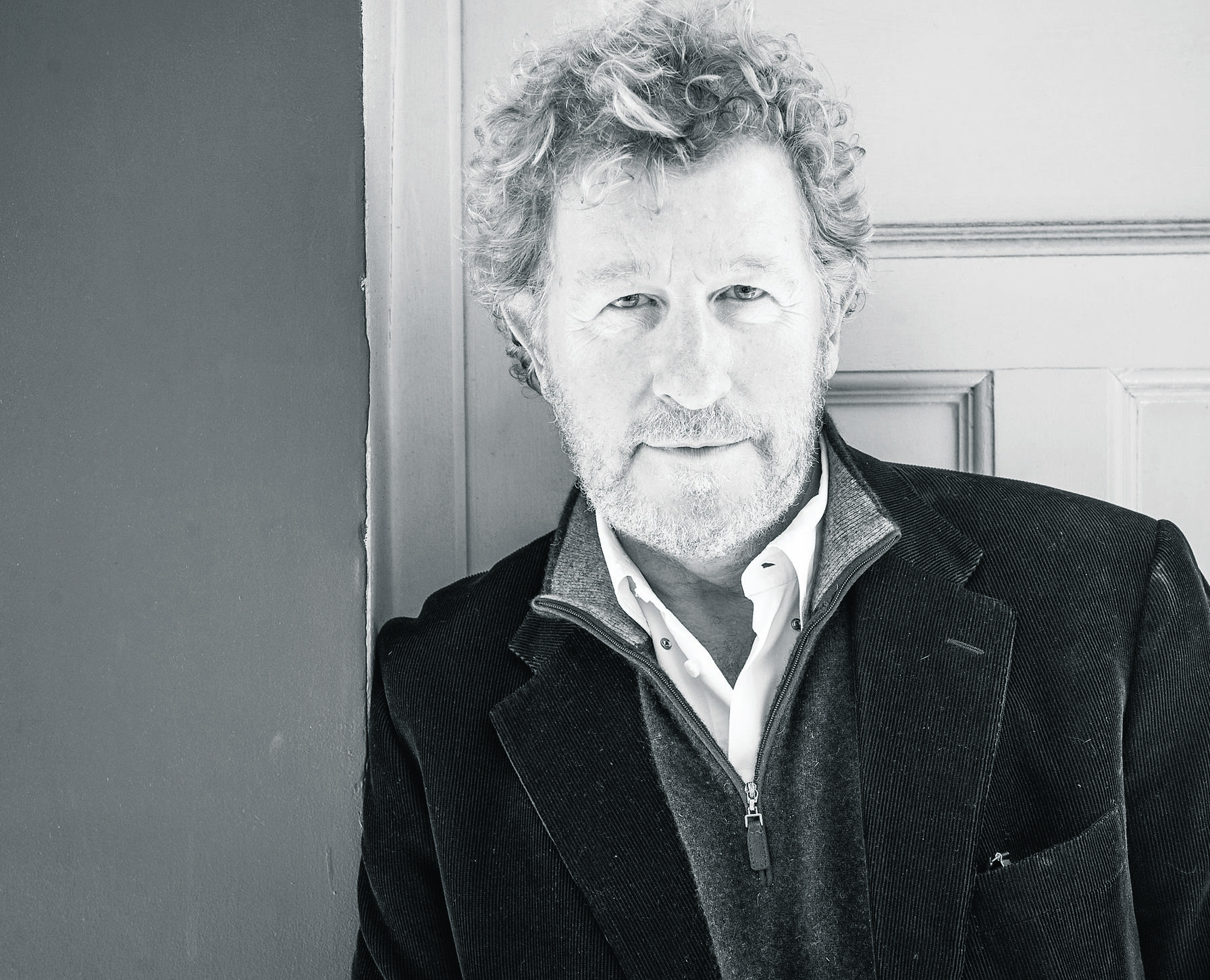
This is an edited extract from Fires Which Burned Brightly: A Life in Progress by Sebastian Faulks, out on September 2 (Hutchinson Heinemann, HBK, EBK, Audio, £20). To order a copy go to timesbookshop.co.uk or call 020 3176 2935. Free UK standard P&P on orders over £25. Special discount available for Times+ members
DT25004 Sorority Girls - USA V01 240825

Kylan Darnell can’t walk out of her sorority house without being stopped by fans. She can’t actually walk out of any house without it happening.
Darnell, 21, is the standardbearer for a lucrative new kind of fame. She is a thirdyear student at the University of Alabama, a member of Zeta Tau Alpha sorority and the “Queen of RushTok”, the frenzied corner of TikTok which charts the trials of aspiring sorority girls during their August recruitment, or “rush week” and the campus lives that they go on to lead.
“I love my sorority,” said Darnell. “I’ve definitely met my bridesmaids. And it’s also given me a career.”
Darnell has more than 1.3 million followers on TikTok and makes six figures a year. In fact, she added: “I’ve made six figures in a month.”
Sororities are social organisations, typically allfemale and secretive, on college campuses for which members have to go through a formal recruitment process.
These groups are most entrenched at universities in the south — Alabama, Arkansas, Auburn, Kentucky, Mississippi State, Georgia — and were often established at the same time as the colleges themselves in the 1800s.
They are associated with eliteness and exclusivity, indicators of class, wealth and, historically, whiteness (the University of Alabama de-segregated its sororities only in 2013). Students pay membership fees, as well as costs for living in the houses, which can amount to up to $5,000 (£3,725) per semester. Until very recently their members were well known only to other people at the same university.
Then, in August 2021, RushTok went viral. Polished young women posted videos about what they were wearing to rush week — Hermès bangles, athleisure and florals — and then shared the elation of acceptance and the emotional turmoil of their inevitable rejections. For viewers online, it became a bloodsport with blow-dries.
Today #RushTok has 128.2 million posts on TikTok and 1.5 billion views, and is in what fans call “season five” as if it is a reality TV show, with new “characters” breaking out and old ones returning.
As a result sororities are seeing a surge in applicants and brands are racing to recruit them to sell their products. Sororities have become influencer factories.
Darnell is impossibly charming, bouncy, upbeat and sweet as pie. She also looks like a prom queen. The combination is commercial gold. “The amount of stuff companies send to our sorority house is insane,” she said, speaking between classes. “Boxes and boxes of make-up and hair stuff, giant boxes of Zeta-personalised Poppi [a fizzy drink].”
Rush week’s process involves PNMs (potential new members) attending interviews and parties. After each round, applicants are cut, leading up to “bid day” at the end of the week during which PNMs open an envelope with, they hope, an invitation from a sorority.
Once they are in, there is considerable pressure to uphold the sorority’s culture.
Darnell talks about the “rules”, mainly around conduct, though she is sworn to secrecy on the specifics.
There was always a fascination with the secrecy and glamour of sororities but it has been supercharged by social media. Dance routines filmed outside enormous antebellum sorority houses and featuring chapter members with matching outfits, mountains of blonde hair and sparkling white teeth can now get millions of views.
Lorie Stefanelli has been a “sorority consultant” since 2013. Based in New York, her company Greek Chic coached 13 girls in 2023. This year, they had 40. She is planning to employ at least five more consultants for 2026.
“Girls want to be in a sorority more than ever,” said Stefanelli, who charges between $1,500 and $3,000 to help her clients prepare their outfits, social media and applications, as well as training them on “how to mind their Ps and Qs.
“I say no crying ... firstly because I don’t want them to ruin their make-up,” she said.
“But also if they go in with a sourpuss face it’s going to be a turn-off for the sororities. I instruct my girls to smile and act excited.”
For clothes, it’s lots of pastel, florals, ruffles and pretty sun dresses. “And appropriate,” Stefanelli added. “We don’t want to be showing everyone our goodies. Not too short, not too low.”
Maureen Lehto Brewster, an assistant professor of fashion merchandising at the University of Maryland Eastern Shore, said she is “not surprised” that RushTok blew up in 2021, adding: “To see something that was so about hyper-femininity and hyper-consumption, it was this object of cultural fascination, it was shocking.
You can look at it as being in partnership with trad wife content going viral.”
DT25003 Decline of Reading V01 240825
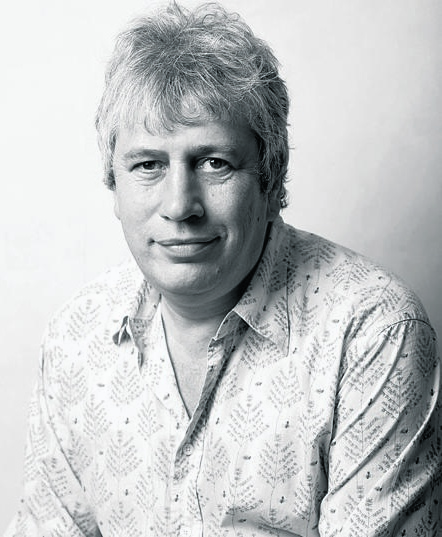
Congratulations if you are reading this. And have got this far. You are in possession of a rare and archaic skill: the art of reading. We are now entering the post-literate age. If anybody from the distant future delves back through our remains and finds that most obscure of things, a book, they will be as entranced and mystified as we are when we stumble across the fossilised remains of a brachiosaurus. Reading is dead meat. It is vanishing before our eyes.
I like to call the age we are about to enter the Disenlightenment, in which we de-learn all the stuff that seemed so important to us in the 18th century — knowledge, scientific truths, democratic debate and, most of all, literacy. The Disenlightenment will shun the acquisition of knowledge, arguing that it is more important to tell us how you feel about stuff, rather than know about stuff. Scientific truths will be overturned if they offend idiots, entire disciplines dismembered for their entrenching of supremacy among a certain clique. Democratic debate will not exist; just absolutist positions, and either side will shout fatuous shibboleths at the other, with no room for doubt, but only the recital of certainties. And nobody will read and nobody will know anything.
We are almost there, even now. A recent survey showed that 47 percent of adults do not read books by choice — that’s about 27 million folk. Still more depressingly, 61 percent of our 16 to 24- year-olds describe themselves as either “non-readers” or “lapsed readers”. Fewer children than ever are reading, and the proportion of those who bother to do so in the 8-18 age group has halved in the past 20 years.
When I say reading, by the way, I mean reading books. I do not mean conversing for eight seconds in the gibberish of social media, in which language has been truncated into a kind of bestial grunting, illuminated by little pictures to convey emotions because the individuals are unable to find the right words and, in any case, it’s quicker.
The tricky thing is that once we have stopped reading, we will not start again. One is not born able to read: it is a skill which takes time and patience to acquire. We have no time and even less patience — and anyway, hey, who needs it? All the information we require is spat out in convenient gobbets via the click of a button on our phones or tablets.
Actually understanding things is no longer necessary. Still less reading for the sake of reading, because it is pleasurable and you learn from it. Reading, pleasurable? Really? It ceases to be so if you no longer do it, and it becomes harder and harder to pick up the habit again. Reading has become one of life’s little difficulties that we can do without.
Reading books is difficult. Especially long ones with lots of words
Why has this happened? There are plenty of reasons, most obviously the advent of technology that does our thinking for us and the growth of social media. As I have mentioned before, attention spans have shrunk rapidly in the past 20 years (some dispute this but the weight of evidence is heavily against them); people communicate in brief spurts of words used primarily for instrumental reasons. It is no surprise that the discipline needed to finish a book — or even start a book — is beyond them. Or too much hassle.
But the way we teach children, in our schools, has also contributed to our disaffection with reading. The main aim now is to ensure the kids aren’t bored.
Difficult things are boring: they require discipline and commitment, and so are too often skipped. Reading is difficult.
Especially reading long things with lots of words. Learning by rote is also boring and difficult, so that has long since been expunged from the curriculum.
Further, the notion that the acquisition of knowledge is, in itself, necessary is no longer promulgated, even if some teachers believe it may still be desirable. But if you skip the background, the knowledge, and simply ask for a response from the pupil, you will get one devoid of context and fact. A response that is essentially meaningless, then, except that it will become the pupil’s “lived experience”, to use the fashionable tautologous expression.
Whatever, we are already seeing the consequences of the retreat of reading, with pass marks for GCSE English plummeting and resits possibly to be scrapped.
I am not sure that we have taken any of this seriously enough. Literacy led to the astonishing inventions that heralded the Industrial Revolution and spread a thirst for knowledge across much of the globe (largely the bits we owned, incidentally). Reading books stimulates the imagination and prevents one from descending into that narcissistic state in which your own opinion must never be challenged, because in reading one is open to myriad differing opinions, even really stupid ones from Sally Rooney.
Reading inspires — and the better the book, the greater the inspiration. I have the suspicion that once it has gone from our lives, we will be lesser people. But that’s the Disenlightenment for you, and I don’t suppose anybody will worry about it for long.
Tuesday, August 19, 2025
DT25002 Happiness in the Past V01 190825
Stop hunting for that mythical happy era
To be alive in 2025, according to a widely prevalent view, is to be the victim of a unique historical misfortune. We are the obese, anxious, isolated, screen-addicted victims of a corrupting and alienating modern civilisation. Young people have never been so lonely or so anxious. Work has never been so precarious or meaningless. Read enough commentary in this vein and the Dark Ages begin to look positively agreeable. Harvest failures and Viking raids would at least supply an invigorating alternative to the ennui induced by seven hours of daily screen-time.
A pessimist by inclination, I sympathise with those who fret over the ills of modernity. Indeed, I tend to think the fretting is useful.
Historically, discontent with the fruits of progress has proved one of the most important sources of progress.
We should be glad the Victorians — prone to similarly gloomy ruminations about their own civilisation — did not choose to rest on their laurels after building railways or filling northern towns with factories.
But, increasingly, I notice justified anxiety about civilisation shading into unjustified hostility. There is an ambient strain of pessimism which holds that the solution is not to amend civilisation but, so far as possible, to do without it. A more “natural” way of life is required. I’m routinely amazed at how often intelligent people, most of whom show no signs whatever of aptitude at outdoor pursuits, confidently inform me that we would undoubtedly have been happier in our “natural” state as hunter-gatherers. The tight community bonds! A diet entirely free of ultra-processed foods!
Nostalgia for cave-dwelling premodernity underpins a stream of bestselling diagnoses of modern ills.
In Humankind, Rutger Bregman eulogised the inherent kindness of the neolithic band. In Tribe, Sebastian Junger yearned for its tight community bonds. In The Dawn of Everything David Graeber and David Wengrow were full of praise for the supposed egalitarian social structures of traditional societies. Yuval Noah Harari, whose Sapiens is one of the bestselling books of the century so far, presented the agricultural revolution as among the greatest disasters in human history. A book praising the virtues of lightbulbs and antibiotics would doubtless be insufficiently counterintuitive.
These ideas find their popular expression in wellness fads that promise to help adherents return to a more “natural” life. The “paleo diet” requires adherents to eat only foods that were widely consumed 10,000 years ago in the paleolithic era.
Indeed, hunter-gatherer communities are now mined for all kinds of dubious lifestyle tips. Hunter-gatherer practices can help you to sleep (How to Sleep Like a Caveman), exercise (Your Primal Body), and forge friendships (The Primal Connection), etc. No parenting guide is without at least a chapter of speculation on how hunter-gatherer babies “naturally” sleep, play and feed.
"Anti-modern thinking has acquired a weird political power, too
Much of this is not new. Marketers have long understood the almost mystical power of the word “natural” (especially applied to foods, clothing fibres and child-rearing techniques) over the anxious middle class. And the fear of alienation from nature is as old as industrial modernity itself — its first great exponent was the 18thcentury French philosopher Jean- Jacques Rousseau, who theorised that before the advent of corrupting civilisation, men and women had not even needed community, roaming the woods in lonely contentment.
But recently, this sentiment has mutated into something new and dangerous. The modern anti-science and anti-vaccination movements get a lot of mileage out of our unthinking reverence for nature. The vaccinesceptic US health secretary Robert F Kennedy — currently presiding over a needless measles outbreak in Texas — has praised the efficacy of “natural immunity” to disease. Numerous influencers have built followings on the idea that serious diseases can be cured through “natural” lifestyle changes. Most egregious among them is Belle Gibson, who fraudulently claimed to have brain cancer which she was curing via “a quest to heal myself naturally”. That Gibson was able to sign a lucrative book contract thanks to her preposterous story is testament to the potency of nature as an ideal, even among intelligent people.
Anti-modern thinking has acquired a weird political power, too. Bronze Age Mindset, a popular tract on the Trumpian right, lauds the harsh manly virtues of the Heroic Age of Greece. On the left, where doubts about civilisation are sharpened by guilty feelings about colonialism and capitalism, “indigenous communities” are scoured for reassuring clues that the human past was impeccably progressive (there was a period in which you never stopped hearing about the advanced gender views of indigenous peoples). More radically, the “degrowth” movement sees the rapacity of modern capitalism as an ill that must be reversed. Indigenous societies, progressive economists muse, may offer a better model.
I suspect much of the dangerous attraction of these ideas derives from the comforting thought that we can get back to a happy and uncorrupted mode of human existence, if we only eat properly and tune into ancient wisdom. Of course, that uncorrupted life never existed. Hunter-gatherers may have been more sociable than we are but they also suffered diseases, starvation and injury with a frequency that most of us would find intolerable. Infanticide is common in hunter-gatherer communities and per capita deaths from war are higher in traditional societies than in nuclear-armed states.
In his wise and fascinating book Good Reasons for Bad Feelings, the evolutionary psychologist Randolph Nesse reminds readers that humans evolved to successfully propagate their genes, not to be happy. Anxiety and depression are a feature, not a bug, of the human condition — worry and sadness spur us to survival. There is no natural, tranquil state we could ever return to.
Discontent has always been with us.
Relax and enjoy the vaccines.